All stories · Article
Kickstarter Product: Specialized gaming peripherals over mainstream hardware
Share: WhatsApp · Telegram · X · Facebook · LinkedIn · Email

Four gaming brands have raised anywhere from hundreds of thousands to more than a million dollars on Kickstarter. Behind these campaigns is a noteworthy approach: they don't just sell products through crowdfunding platforms. They also use their own stores to build demand and keep orders coming before, during and after launch.
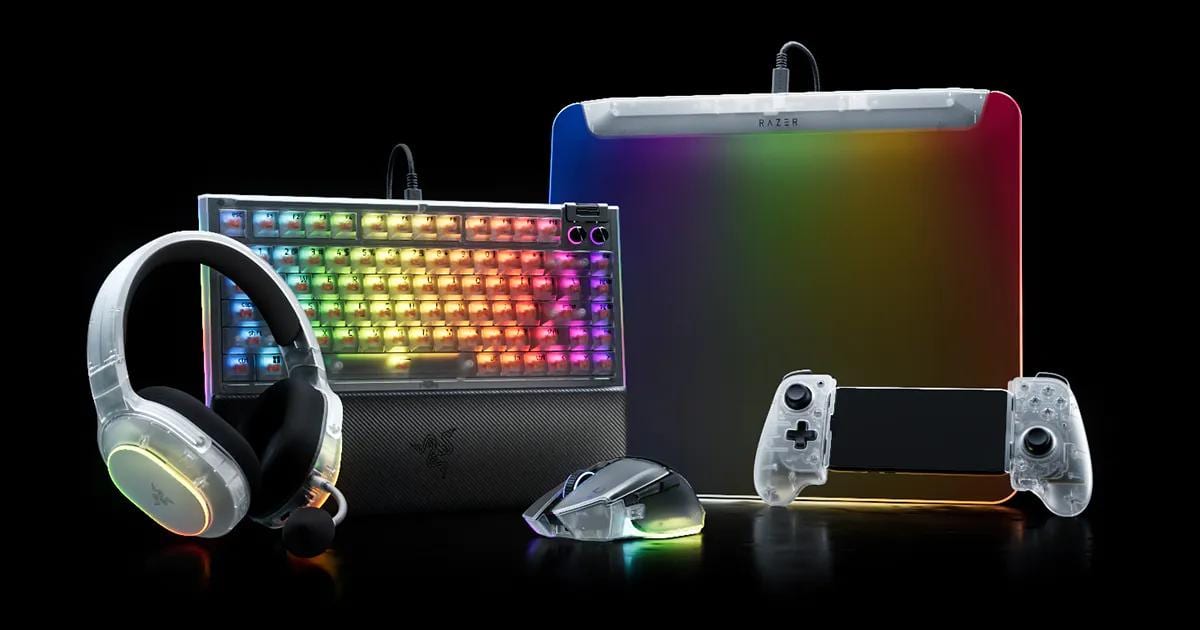
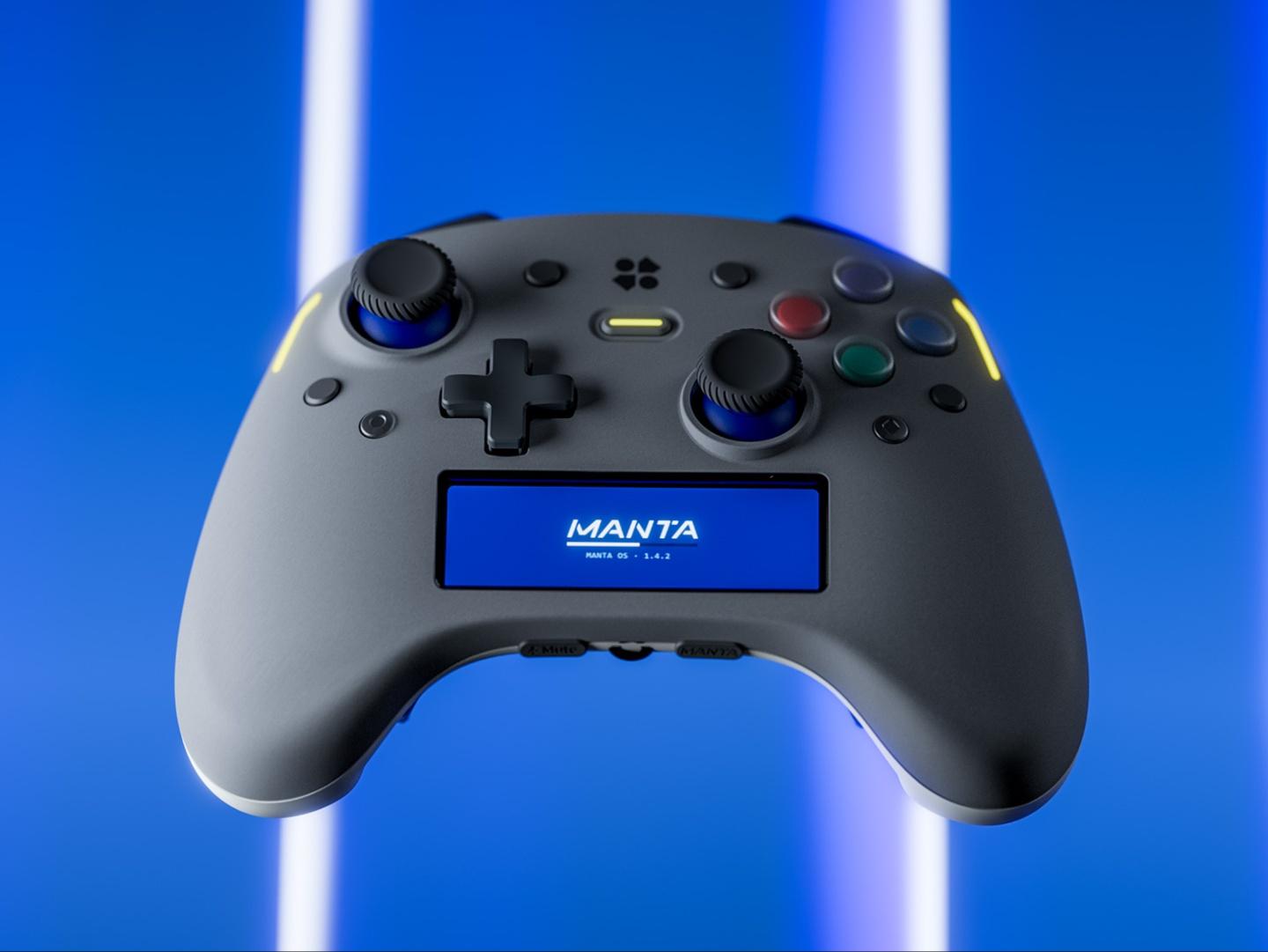
Between August and October 2026, four gaming projects on Kickstarter attracted hundreds of thousands - and in some cases more than a million dollars - in pledges. Their products range from an advanced controller to a retro-style monitor and mobile gaming accessories.
But the more interesting part is what happened outside Kickstarter.
Before, during and after their campaigns, these brands used their own stores to collect reservations, offer early access, reward early buyers and continue taking orders after crowdfunding ended.
For smaller Shopify merchants, that is the part worth studying.
Four campaigns, four different products
The following figures preserve the October 12, 2026 snapshot used for the initial comparison. They are not the final funding results.
| Project | Product | Amount raised on Oct. 12 | Campaign status at snapshot |
|---|---|---|---|
| GENKI MANTA | Advanced gaming controller | ~$1.2M | Funded |
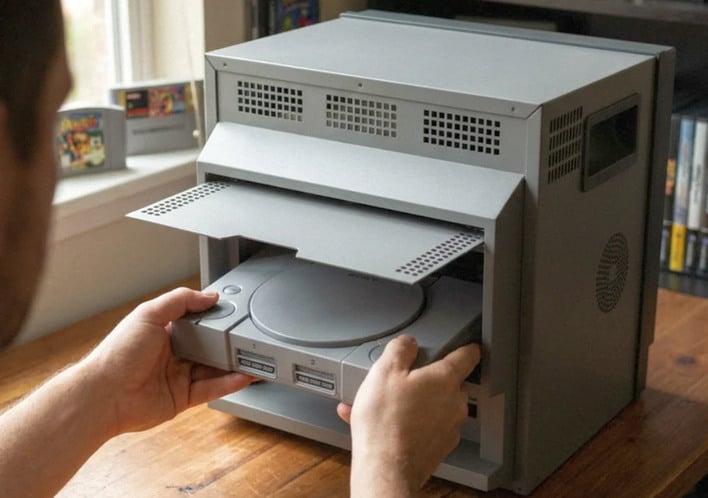
| TRAVELLER•ULW10 | Retro-style 4:3 monitor | ~$292K | Funded |
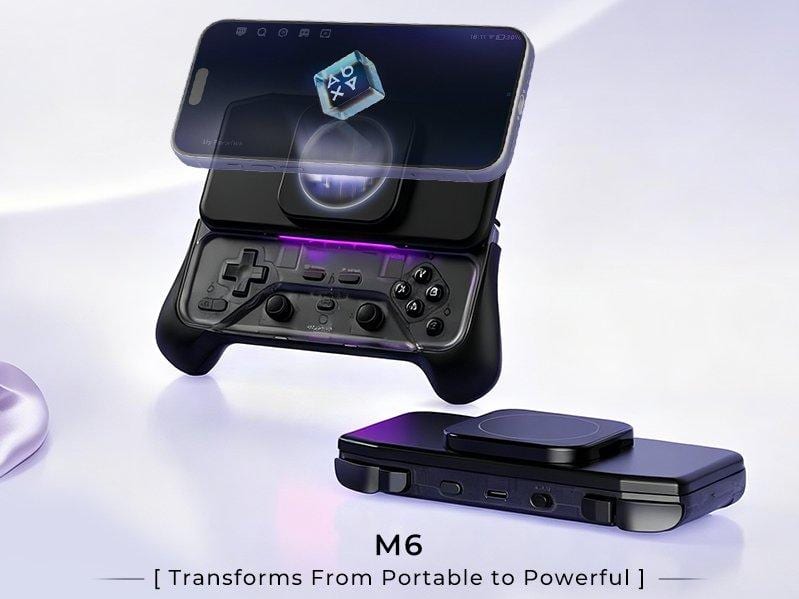
| abxylute M6/M5 | Magnetic mobile controllers | ~$163K | Still raising |
| MCHOSE ACE 75 | Hall Effect gaming keyboard | ~$151K | Still raising |
All four had exceeded 1,000% of their original funding goals at the time of the snapshot.
One detail is worth noting: MANTA had the lowest funding percentage among the four, yet raised the most money. Its original goal was only $100,000. Funding percentage measures progress against a creator-set target, not the absolute commercial demand for a product.
The October figures are only a historical snapshot. MANTA ultimately closed at $1,175,101, while ACE 75 ended at HK$1,304,001. The abxylute campaign continued beyond the snapshot and had reached approximately $2 million by November 11, while still open. These changing figures illustrate why funding totals should always carry a date.
Sources: MANTA's Kickstarter campaign, MCHOSE campaign tracking, abxylute campaign tracking.
Why a small store cannot simply copy the $1.2 million
A successful crowdfunding campaign does not necessarily mean a product was launched from zero demand.
GENKI, the brand behind MANTA, had already built an audience through years of gaming accessories and eight previous successful Kickstarter campaigns. Its own history describes Kickstarter as part of how the company grew.
abxylute also had an established catalog of controllers and handheld gaming products before introducing M6 and M5.
Their campaigns therefore benefited from something a new store may not have: existing customers, brand recognition and a community willing to pay attention before launch.
That distinction matters.
A store without an audience cannot assume that a $5 reservation page will suddenly generate hundreds of orders. The reservation mechanism helps measure demand; it does not create demand by itself.
The more realistic opportunity is for smaller merchants already serving a defined gaming or enthusiast community.
Before launch: make early interest worth paying for
The first step is to turn an expression of interest into a small financial commitment.
Unico offered a $5 Founder Spot before launching the TRAVELLER•ULW10 campaign. According to Tom's Hardware, the reservation came with $30 in credit toward a Kickstarter pledge.
abxylute used a similar approach on its own store. Its M5/M6 reservation was listed at $5, with the product page later showing the reservation as closed. The brand also directed its community toward its Discord channel and Kickstarter launch.
MCHOSE took the same general idea further with a $2 VIP reservation for ACE 75. The payment secured access to launch benefits, including discounted pricing, priority shipping and a free cable. It was not a purchase of the keyboard itself.
These are different offers, but they share the same logic:
- A free email signup measures curiosity.
- A paid reservation measures a stronger level of intent.
- A clearly defined reward gives people a reason to act before launch.
For a smaller store, the reservation does not need to be expensive. It needs to be transparent about what the payment secures, whether it is refundable, and what happens next.
Sources: Unico's reservation coverage, abxylute's official store, MCHOSE's VIP reservation page.
Launch week: give early buyers a reason to act now
Once a product is ready to launch, the next challenge is converting interest into orders.
abxylute used a 72-hour early-bird window. Its M5 started at $59 and M6 at $65 during the early-bird offer, while the M5 Founder's Edition was offered at $109 with a limit of 1,000 units.
GENKI used a similar tiered approach. MANTA's Super Early Bird price started at $189, compared with a planned $279 retail price. Its $349 Founder's Edition included a numbered unit and an exclusive finish, with the edition limited to 1,000 controllers.
These offers work through two different incentives:
Price advantage: Early buyers receive a lower price for committing sooner.
Identity and scarcity: A numbered Founder's Edition gives committed fans something beyond a discount - a limited product associated with the launch itself.
The lesson is not to manufacture artificial scarcity. It is to make the early-buyer offer specific and credible.
A small merchant could test a limited launch price, a free accessory or a numbered first batch. But a Founder's Edition only makes sense when a real community values being among the first buyers.
Sources: Notebookcheck's coverage of abxylute M5/M6, GENKI MANTA coverage.
After the campaign: keep the product available on your own store
A crowdfunding campaign has a deadline. A store does not.
After Kickstarter, the products can continue to reach customers through their brands' own websites.
Unico now lists the TRAVELLER•ULW10 as a pre-order at $349, with a free pre-order gift. The product page shows a regular price of $399.
View Unico's TRAVELLER•ULW10 pre-order.
GENKI also provides a pre-order route for MANTA through its own store, while MCHOSE lists ACE 75 for pre-order at $139, with shipping expected from late November 2026.
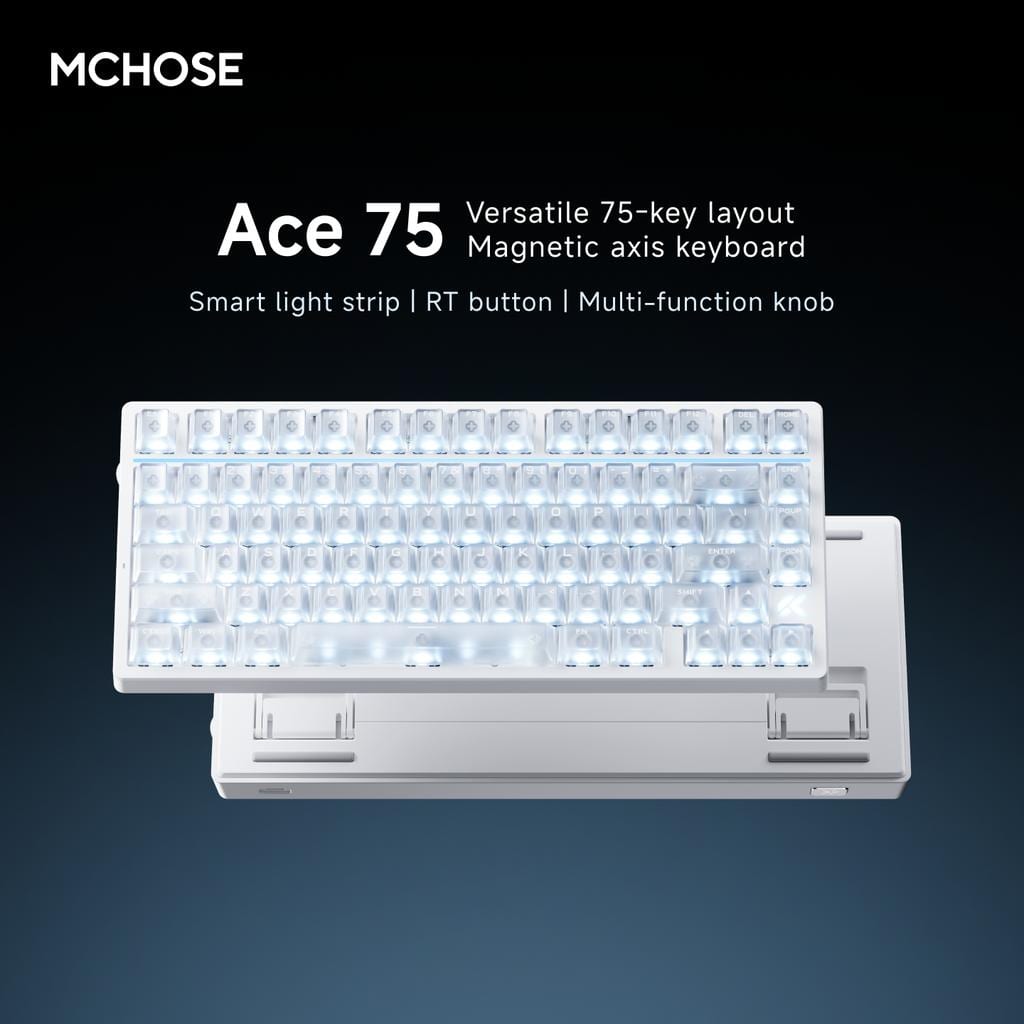
GENKI store · MCHOSE ACE 75 pre-order.
This creates a continuous customer journey:
Reservation → crowdfunding launch → early-bird purchase → post-campaign pre-order.
People who miss the campaign do not necessarily have to miss the product.
For a smaller merchant, the store should remain the central place where customers can understand the product, see the expected delivery date and place an order.
What a small store can actually try
The mechanics do not require a million-dollar campaign. They require a product with a defined audience and a launch plan that makes the next step clear.
Start with a small reservation. Put a reservation offer on the store with a clear launch date, reservation amount, refund policy and benefit. Count paid reservations before committing to a production run.
Add a short early-bird window. Offer a clearly stated launch price or a limited bonus. Show the regular price alongside it so customers understand the difference.
Use a Founder's Edition only when it means something. A numbered first batch or exclusive color can work for a community with genuine attachment to the brand. It is unnecessary for an ordinary accessory with no established fan base.
Keep pre-orders open after launch. If production is confirmed, let customers order through the store. Put the expected shipping date near the purchase button and update customers if the schedule changes.
Shopify supports pre-orders through compatible apps, but there are important restrictions. Merchants need a reasonable basis for the promised shipping timeline. If they cannot ship within the stated period, Shopify requires a revised date and an explanation of the customer's right to cancel or obtain a refund.
Shopify's current pre-order setup also does not support accelerated checkout methods such as Shop Pay, Apple Pay and Google Pay.
See Shopify's pre-order guide and setup requirements.
A note on the numbers
The campaign figures in the comparison table are historical snapshots from October 12, 2026, not final results. The subsequent campaign totals are identified separately.
Store prices and promotional offers were checked in November 2026 and may change, particularly during Black Friday promotions.
Most importantly, funding is not proof of successful delivery. At the time of writing, these campaigns were still in the manufacturing and fulfillment process. MANTA's conservative delivery window, for example, is January–April 2027, according to its official Kickstarter FAQ.
Frequently asked questions
Should a small store collect emails or paid reservations first?
If the store does not yet have an audience, start with email collection and build a list of people who actually match the product. A paid reservation is more useful once there is enough interest to test whether customers are willing to commit money.
Can Shopify merchants use pre-orders without Kickstarter?
Yes. Kickstarter is not required. Shopify merchants can offer pre-orders through compatible apps, subject to Shopify's payment, eligibility and fulfillment requirements.
Can customers use Shop Pay for Shopify pre-orders?
Not under Shopify's current pre-order setup. Accelerated checkout options, including Shop Pay, Apple Pay and Google Pay, are not supported for pre-order purchases.
The takeaway: Smaller stores do not need to imitate the scale of established gaming brands. They can borrow the sequence: collect a small commitment, reward early buyers, and keep the product available through their own store. The first useful number is not a million-dollar pledge total. It is how many people are willing to pay before the merchant places the factory order.
Ask AI next
- How do I set up a paid reservation product on Shopify that credits the deposit toward the final order?
- How many paid reservations should I collect before placing a first factory order for a new product?
- Which Shopify pre-order apps support deposits, partial payments and shipping-date updates?
- How do long pre-order wait times affect chargeback and dispute risk for a Shopify store?
- Where can I track which niche hardware categories are gaining backers on Kickstarter before choosing a product?