All stories · Article
Kickstarter Products: Tabletop acccessories - the business of selling to existing hobbyists
*Four tabletop add-ons raised more than 1,000% of their Kickstarter goals. The opportunity for small stores lies in selling what players already use.*
Share: WhatsApp · Telegram · X · Facebook · LinkedIn · Email

Four tabletop add-on campaigns raised more than ten times their funding goals in 2026. None required creating a new board game or trading card game.
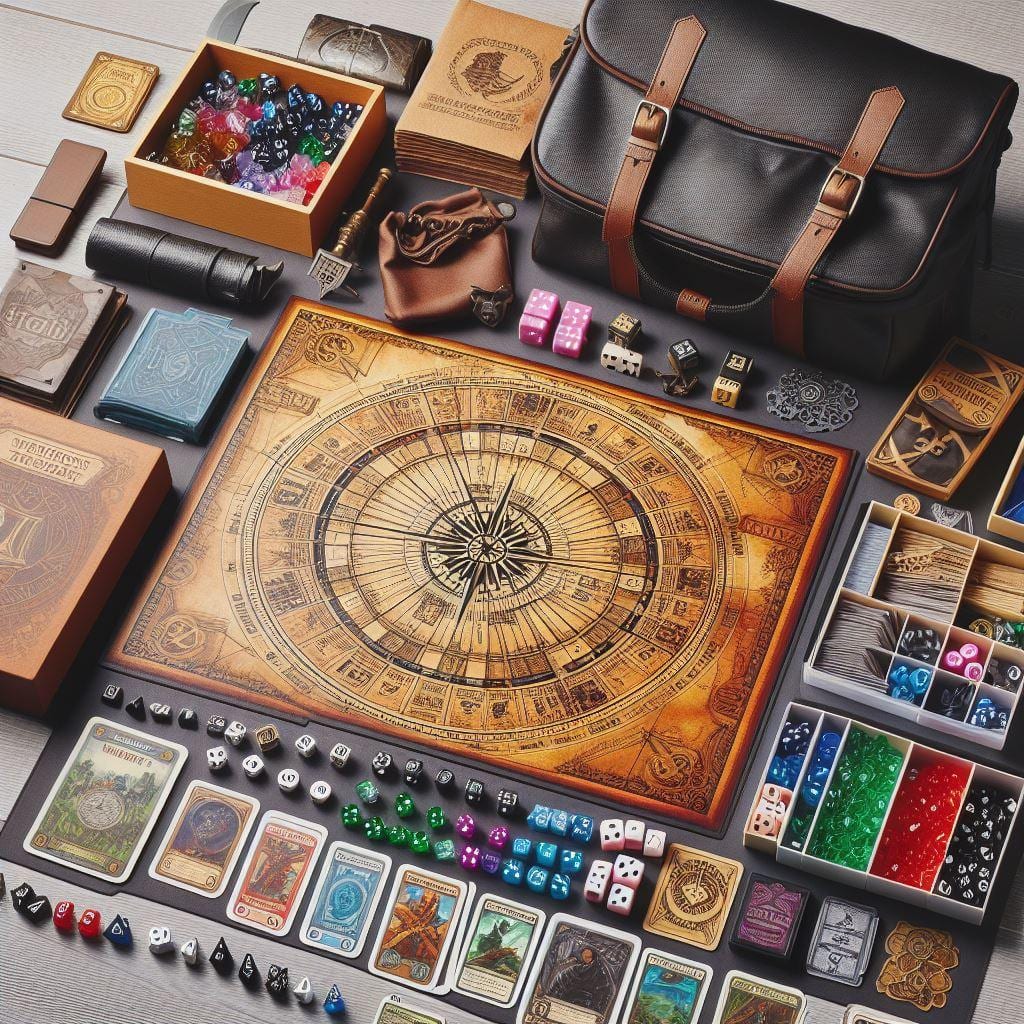
The products ranged from hand-drawn D&D maps and an electronic Magic: The Gathering token to a convention bag and a D&D trap book. Their common denominator was simple: each served a hobby that already had an established audience.
For small Shopify sellers, that offers a different way to enter the tabletop market. Instead of competing to create the next big game, they can sell products that make existing games easier to play, organize, protect or enjoy.
Four campaigns, four established audiences
The campaigns launched between August 24 and September 8, 2026. Their final Kickstarter results show how much demand these products attracted.
| Project | What it sells | Kickstarter result |
|---|---|---|
| Crypts & Dungeons, Czepeku | Hand-drawn map tiles for TTRPG sessions | £353,744 from 7,775 backers, against a £20,000 goal |
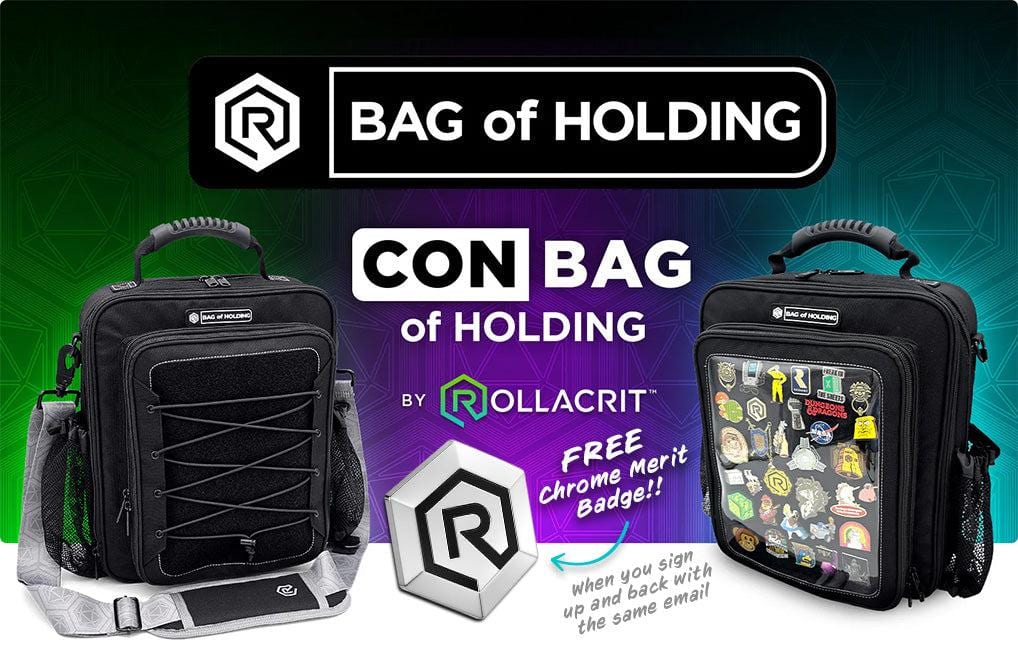
| Con Bag of Holding, Rollacrit | A customizable bag for conventions and fandom collections | $599,672 from 4,057 backers, against a $50,000 goal |
| Electronic E-Paper Token, LYNX | A reusable electronic token for Magic: The Gathering | €105,004 from 879 backers, against a €10,000 goal |
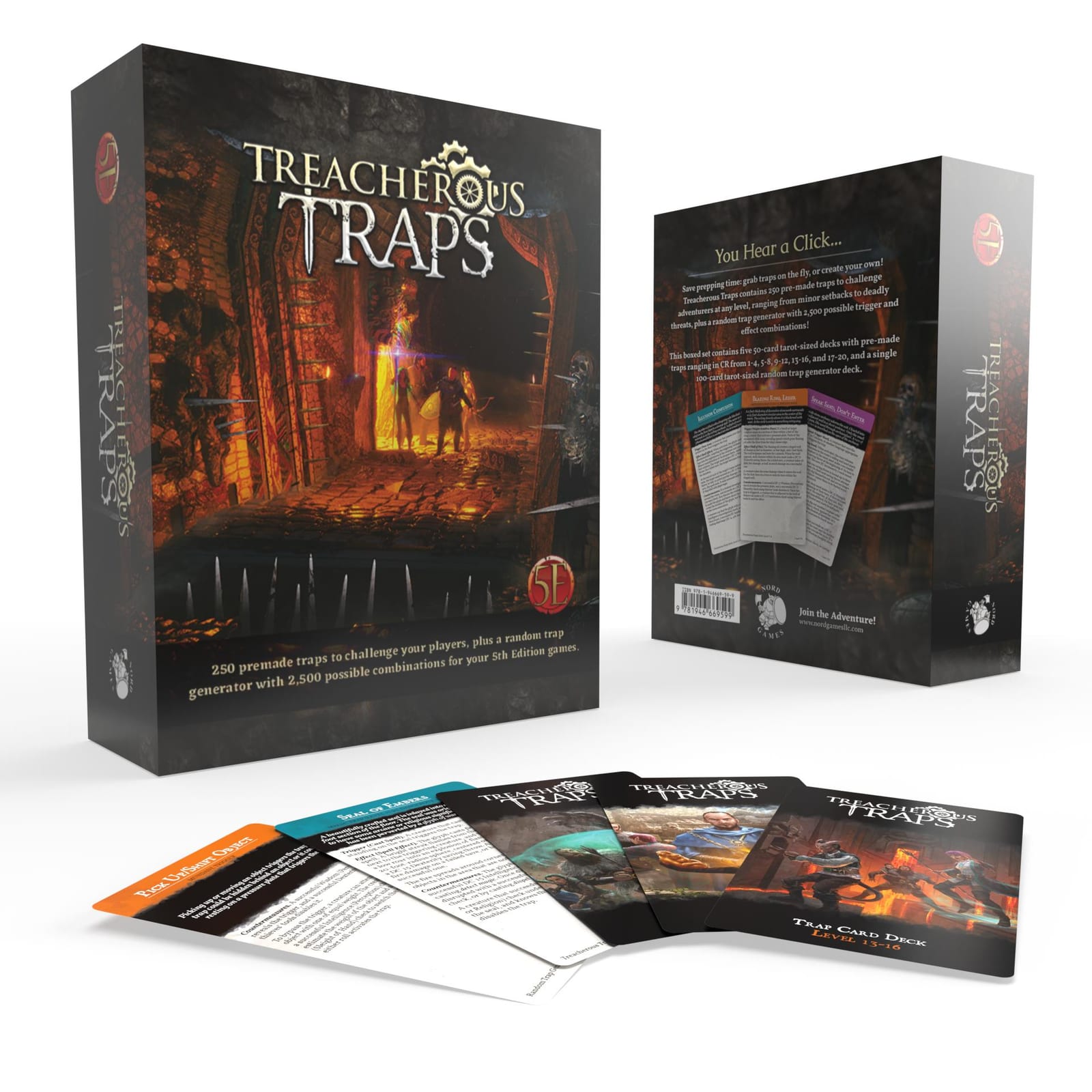
| Treacherous Traps 2, Nord Games | A collection of traps and game materials for D&D 5E/5.5E | $104,357 from 1,442 backers, against a $10,000 goal |
All four exceeded 1,000% of their original funding goals. These are final campaign figures, not sales revenue from completed retail orders.
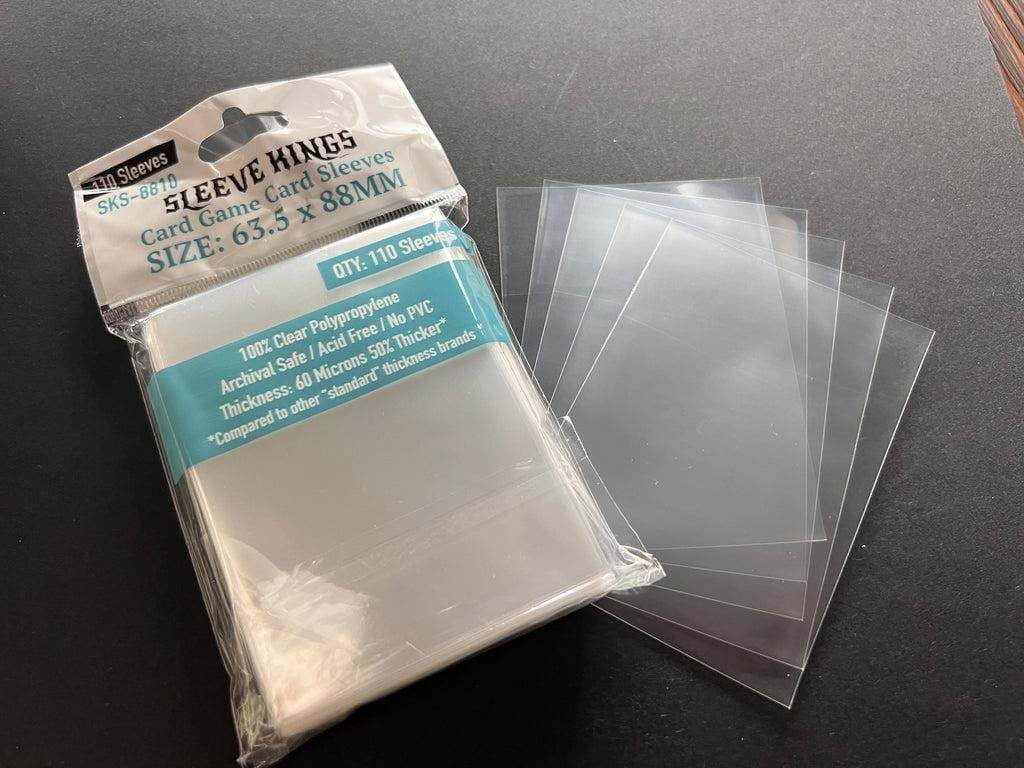
The pattern extends beyond these four projects. Sleeve Kings Season 6 raised $81,415 against a $5,000 goal, reaching 1,628% funding with 802 backers.
The products differ, but none asks customers to adopt an entirely new hobby.
The opportunity is in what players already own
A tabletop player may already own several games, a collection of trading cards, dice, miniatures and accessories. Each creates demand for complementary products.
A D&D player may need new maps, encounter materials or storage. A Magic player may want sleeves, deck boxes or tokens. Someone who regularly attends conventions may need a bag designed around carrying and displaying collectibles.
This changes the selling proposition.
Instead of convincing customers to start playing something new, a seller offers an improvement to an activity they already spend money on.
Several campaigns also illustrate how accessory brands can return to the same audience with another release:
- Nord Games launched Treacherous Traps 2, building on its earlier D&D supplement.
- Rollacrit brought back the Bag of Holding concept with a redesigned Con Bag.
- Sleeve Kings continued its recurring product releases with Season 6.
- Wyrmwood returned with HEXY TIME PART TWO, extending its hexagonal tabletop organization system.
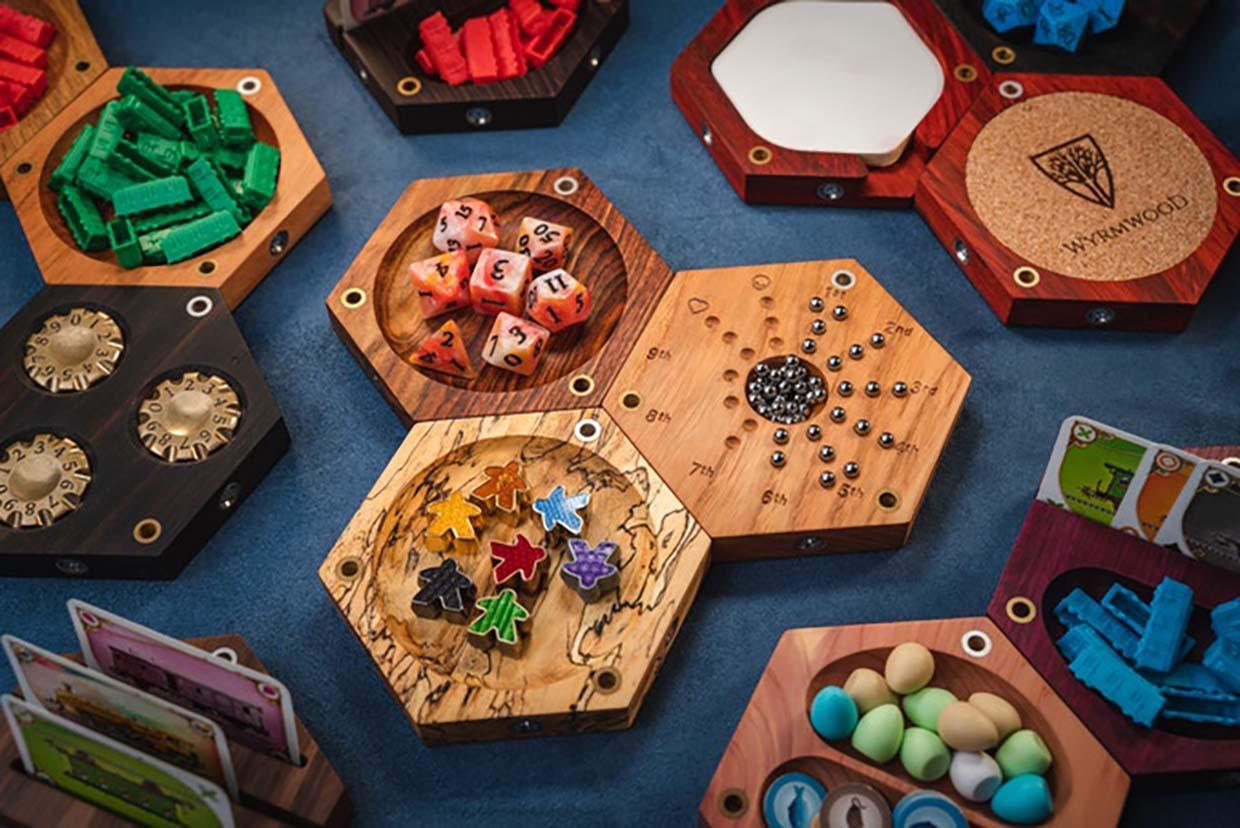
This is not proof that every previous buyer purchased again. It does show how an established product category can support new releases without requiring a completely new audience.
Pricing and rewards also help shape demand. Rollacrit offered an early-bird pledge for the first 1,000 backers, including an Ita Conversion Kit and a campaign badge. Sleeve Kings used a different approach: its campaign emphasized that its Season 6 prices remained unchanged despite an increase in MSRP.
In both cases, the offer gave existing enthusiasts a reason to act during the campaign.
A campaign can attract customers. The store must keep serving them.
Crowdfunding and ecommerce play different roles.
Kickstarter helps a brand introduce a product, test demand and collect pledges. Its store can then serve customers beyond the campaign, offer related products and maintain the relationship.
Sleeve Kings demonstrates this model. Its Shopify store directs visitors to late pledges for Season 6 and lets customers find sleeves by game. It also offers game-specific bundles rather than requiring buyers to work out every sleeve size themselves.
Nord Games provides another example. Its catalog offers the original Treacherous Traps in hardcover, PDF and combined formats. The product page explicitly states compatibility with both the 2014 and 2024 D&D 5E rules.
The next step in this connection arrived on November 11, 2026. Kickstarter introduced an official Shopify app that transfers finalized backer orders from its Pledge Manager into a creator's Shopify store. Creators can map rewards to Shopify products and variants, fulfill orders through their existing workflow, and sync tracking information back to Kickstarter.
The app is free, although Kickstarter's standard Pledge Manager fees still apply.
This makes the operational connection between crowdfunding and ongoing ecommerce easier. It does not, by itself, prove that a campaign will turn into a profitable retail business.
The first question on an accessory product page: What does it fit?
A good product is not enough if a first-time buyer cannot tell whether it works with their existing equipment.
Sleeve Kings makes compatibility easy to navigate through its Find Sleeves by Game feature and game-specific bundles.
Nord Games takes a similar approach by explicitly listing the D&D rules versions its products support.
A recent discussion about a new TCG accessories store, Mulligan Goods, on Shopify Community, offers a practical example.
One reviewer suggested adding a clear "Fits:" line to sleeve listings, specifying which games use 66 × 91 mm sleeves and noting that Japanese-size cards such as Yu-Gi-Oh! require smaller sleeves.
Other reviewers pointed to unclear product specifications, inconsistent variants and overseas shipping estimates.
These are comments on one new store, not industry-wide research. But they highlight a real buying problem: customers need to know exactly what they are getting before they pay.
For an accessory, compatibility is not a minor technical detail. It is part of the product itself.
Three changes a small store can make
1. Add a "Fits:" line to your best-selling product.
State the compatible game, dimensions, card size, model or rules version. For example:
Fits: Standard-size 66 × 91 mm TCG cards. Not suitable for Japanese-size cards.
Only publish compatibility claims that have been checked against the actual product.
2. Organize products around the game, not just the product category.
If your inventory allows it, create collections such as "Accessories for D&D 5E" or "Sleeves for Magic: The Gathering". Offer bundles that help customers buy everything they need for a particular game.
3. Build a reason for existing customers to return.
Use a waitlist, back-in-stock notification or preorder for the next release. If you offer early-bird pricing, explain the benefit and the expected delivery timeline clearly.
There is an important limit to this strategy. A store with no connection to a particular hobby, no reliable product specifications and no understanding of compatibility should not simply import generic accessories and expect the same results.
The Kickstarter campaigns attracted people who already cared about the products. A small store still needs to earn their trust.
What to take away
You do not need to invent the next tabletop game to sell into the tabletop market.
Start with a community that already spends money, identify what its members repeatedly need, and make compatibility obvious on every product page.
For a small Shopify store, the most useful first step may be just one line beneath the product price:
Fits: Which game, which size, which version?
That is often the difference between an accessory that looks interesting and one a player feels confident buying.
Sources and data notes
- Czepeku, Crypts & Dungeons. Final Kickstarter campaign figures.
- Rollacrit, Con Bag of Holding. Final campaign figures and official product FAQ.
- LYNX, Electronic E-Paper Token. Final campaign figures and product specifications.
- Nord Games, Treacherous Traps 2. BackerKit campaign figures. Official product catalog.
- Sleeve Kings Season 6. Campaign figures and official store.
- Shopify Community, Mulligan Goods. A single-store discussion, used as a practical example rather than industry-wide evidence.
- Kickstarter's official Shopify integration.
- Shopifreaks, November 11, 2026.
Funding figures are in the currencies displayed by each campaign. Percentages are calculated against the original funding goals. Kickstarter pledges represent crowdfunding commitments, not proof of completed delivery, recognized retail revenue or profit.
Ask AI next
- How do I add a 'Fits:' compatibility line to every Shopify product page using metafields?
- Can I use names like D&D or Magic: The Gathering in product titles and collections without trademark trouble?
- Which Shopify apps or filters can build a shop-by-game finder like Sleeve Kings' Find Sleeves by Game?
- How can I check search demand for accessories tied to a specific tabletop game before I stock them?
- Where can I track new tabletop accessory campaigns on Kickstarter and BackerKit to spot demand early?